How to Load a Brad Nailer Step by Step
Disconnect power, check the nailer manual, and load the correct brads in the magazine’s marked direction. Close the magazine fully, reconnect power as directed, and test on scrap wood.
On this page (7 sections)
To load a brad nailer, disconnect its power, check the manual for compatible brads, and place the strip in the magazine in the marked direction. Close the magazine fully, reconnect power as directed, and test the tool on scrap wood before fastening your project.
Magazine designs vary, so the tool’s instructions take priority over general steps. Keep the nose pointed away from people, and keep your hands clear of the firing area.
How do you load a brad nailer step by step?
Disconnect power, orient the brad strip as marked, and close the magazine until it latches. Then reconnect power according to the manual and test on scrap material.
- Read the manual for the correct brad type, length, and loading direction.
- Disconnect the air hose on a pneumatic nailer. For a cordless tool, remove the battery if the manual says to.
- Point the nose away from people and keep your finger off the trigger.
- Open the magazine using its release.
- Place an undamaged brad strip in the channel, following the direction marks.
- Slide or close the magazine until it latches securely.
- Reconnect power as directed, then test on scrap wood.
Don't push hard if the strip doesn't fit. Check its direction and size, and confirm it matches the nailer’s instructions.
What brads fit your nailer?
Use only the brad type, gauge, and length approved for your specific tool. A nail that looks close can still fail to feed or sit properly in the magazine.
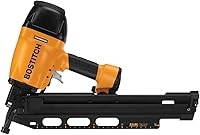
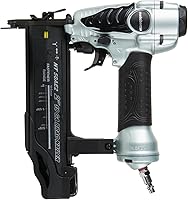
For example, the Bostitch BTFP12233 takes 18 gauge brads from 5/8 to 2 1/8 in. The Metabo HPT NT50AE2 takes 18 gauge brads from 5/8 to 2 in.
Check the packaging and the tool’s manual before loading a new fastener brand or size. Keep brads dry and free of bends, rust, or broken collation.
How do you load a pneumatic brad nailer?
Disconnect the air hose before opening the magazine. Reconnect it only after the brads are loaded and the magazine is closed, following the manual’s steps.
A pneumatic nailer can drive a fastener when connected to air. Keep the nose pointed away from your body and others, and don't press the nose against a surface while handling the strip.
The Bostitch BTFP12233 is an air-powered brad nailer with a tool-free jam release and a selectable trigger system. The Metabo HPT NT50AE2 is also pneumatic and has an easy-to-clear nose.
How do you load a cordless brad nailer?
Follow the manual’s battery-removal instructions before loading. The trigger should stay untouched while you open, fill, and close the magazine.
The Craftsman V20 CMCN618B is a cordless brad nailer, so it doesn't need a compressor or hose. Its battery and charger are sold separately.
Check that the magazine closes and latches before reinstalling the battery. For other cordless choices and the trade-offs of going without a compressor, see our cordless brad nailer guide.
Why won't the brads feed?
First check the fastener size, strip direction, and magazine latch. Disconnect power before inspecting the channel or clearing any jam.
A strip that is too long, too short, bent, or loaded backward may not feed correctly. Never force it into the channel.
If the magazine closes but the nailer still won't feed, follow the manual’s jam-clearing procedure. Our guide to clearing a jammed nail gun safely covers the basic precautions.
What should you check before firing?
Confirm that the magazine is latched, the fasteners match the manual, and the work area is clear. Wear eye protection and keep your free hand away from the nose and the path where the brad will exit.
Test the nailer on scrap material similar to your project. Adjust depth only as the manual directs, then check that the brad sits as intended.
For more precautions around setup and use, read our nail gun safety tips. If you’re still deciding which tool fits the job, our guide to what a brad nailer is used for explains common projects and limits.
What is the safest way to load a brad nailer?
For anyone learning how to load a brad nailer, the manual, correct fasteners, and disconnected power are the key checks. Load the strip in the marked direction, close the magazine completely, and test on scrap before moving to the project.
Choose an air-powered model if you already have a compatible compressor and hose. Choose a cordless model if avoiding those connections matters to your setup, and check whether its battery and charger are included.
Frequently asked questions
Which way do brads face when loading a brad nailer?
Follow the direction marks in the nailer's manual and magazine. Many strip-fed nailers load brads with their points facing down into the nose, but designs vary.
Use only the fastener type and size specified for your tool, and don't force a strip into the magazine.
Should a brad nailer be connected to air while loading?
No. Disconnect the air hose before loading a pneumatic brad nailer, and remove the battery from a cordless model if the manual directs you to.
Keep your finger off the trigger and the nose pointed away from people while handling the magazine.
What should I do if brads do not feed?
Disconnect power and check that the brads match the tool, sit in the correct direction, and aren't bent or damaged. Make sure the magazine closes and latches fully.
If a fastener is stuck, follow the manual's jam-clearing steps instead of forcing the strip.
Can I load any 18 gauge brad into my nailer?
No. Check the manual for the approved collation and nail length range, even when the brads are 18 gauge.
For example, the Bostitch BTFP12233 accepts 18 gauge brads from 5/8 to 2 1/8 in, while the Metabo HPT NT50AE2 accepts them from 5/8 to 2 in.