What Is a Brad Nailer Used For Around the House?
A brad nailer is used for attaching light trim, molding, and small wood pieces with slim 18-gauge nails. It works well when you want a small nail hole, but it isn't made for framing or other heavy structural work.
On this page (7 sections)
- What is a brad nailer used for around the house?
- Which home projects suit an 18-gauge brad nailer?
- When should you use a different nail gun?
- How do you choose brad length for a household task?
- What features matter in a brad nailer for home use?
- How do you use a brad nailer safely?
- Is a brad nailer worth having for home projects?
A brad nailer is used for fastening light trim, molding, and small wood pieces with slim 18-gauge nails. It can hold parts in place while glue dries and leaves a small hole to fill, but it is not built for framing or heavy structural work.
Common household jobs include attaching shoe molding, securing narrow casing, adding decorative trim, and assembling small craft pieces. The right use depends on the material thickness, the brad length, and whether the joint needs to carry weight.
What is a brad nailer used for around the house?
A brad nailer is best for light finishing work where a small nail hole matters. Its 18-gauge brads are narrower than many finish nails, which can reduce splitting in thin trim and leave less filling work.
Use it to tack trim in place while adhesive sets, secure a small molding strip, or attach a thin wood panel where the fastener is appropriate. The nail helps hold the parts together; it does not replace a sound joint or glue when the project needs one.
For example, you might use brads to attach shoe molding along a room edge or hold a small decorative piece against a cabinet. The trim still needs to fit properly, and the brad must be long enough to enter the backing material without coming through the other side.
The guide to types of nail guns explains how brad nailers differ from framing, finish, and pin nailers. If you're comparing models for this kind of work, see brad nailer picks.
Which home projects suit an 18-gauge brad nailer?
Choose a brad nailer for small, light parts that need a neat fastener. It can suit decorative trim, narrow molding, and some furniture or craft assembly when the nail length and wood thickness match.
Can you use a brad nailer for trim and molding?
Yes, brad nailers work for light trim and narrow molding, including shoe molding and some small decorative pieces. They are handy when a thicker nail might split the wood or leave a larger mark.
Check the trim's thickness and what sits behind it before loading nails. A brad that is too short may not hold; one that's too long could pierce through the back or hit something hidden in the wall.
For heavier or wider trim, a finish nailer may be a better match because it drives thicker nails. Read what gauge nailer for trim to compare the usual choices and how the trim's size affects them.
Can you use one for small furniture or crafts?
A brad nailer can help attach thin backs, small trim pieces, and lightweight wooden parts. It can also hold pieces while glue dries, as long as the joint design and materials suit brads.
Don't rely on a few brads to carry a heavy load or keep a stressed furniture joint from loosening. Use the fastener type and joinery that fit the design, and test placement on scrap when a clean surface matters.
A compact project may not need a nailer at all. Clamps, glue, screws, or hand-driven nails can be easier to control for tiny pieces or areas where a nail could split the wood.
When should you use a different nail gun?
Use another fastener when the material is heavy, the joint carries a load, or the brad is too small for the job. A brad nailer is for light finish work, not framing or structural connections.
A framing nailer drives larger nails for framing lumber, decks, fences, and similar construction. A finish nailer is often a better fit for heavier baseboards, door casing, or substantial molding that needs a stronger hold.
A pin nailer uses even smaller fasteners for delicate trim where a nearly invisible hole matters, though those pins offer less holding strength. Our nail gun basics guide covers these tool types and their typical roles.
Before choosing, think about the material, the joint's load, and whether you need the fastener to remain visible. If a project plan calls for screws or bolts, a brad nailer is not a shortcut around that requirement.
How do you choose brad length for a household task?
Choose a brad that passes through the trim and reaches the backing material without exiting the far side. The correct length depends on both pieces of wood, so there isn't one size for every household project.
Check the nailer's accepted range and the tool instructions. For example, the DeWalt DCN680B accepts 18-gauge brads from 5/8 in to 2-1/8 in, while the Metabo HPT NT50AE2 takes brads from 5/8 in to 2 in.
Drive a test brad into scrap with the same thicknesses as your project. Check that it sits at the right depth and doesn't poke through, then adjust depth if your tool allows it.
Avoid guessing near wiring, pipes, or other hidden materials. If you're fastening into a wall, identify what's behind the surface and follow safe work practices before driving nails.
What features matter in a brad nailer for home use?
Look for a tool that matches your power setup, the brad sizes your work needs, and your comfort with an air hose or battery. A cordless model skips the compressor and hose, while a pneumatic model needs an air supply.
The DeWalt DCN680B is battery powered and has tool-free depth adjustment and jam release. Its selectable trigger offers sequential or contact actuation modes, and the low-nail lockout helps prevent dry firing.
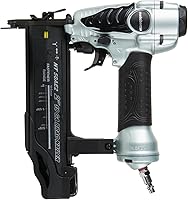
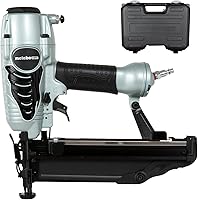
The Metabo HPT NT50AE2 is a pneumatic option for trim, furniture building, and other finishing applications. It has a depth adjustment dial, a no-mar tip, and a 360-degree adjustable exhaust.
The WEN 20512 is cordless and includes a battery and charger. It accepts 18-gauge brads from 3/4 in to 2 in, and its LED indicator tracks battery status, magazine fill, and tool temperature.
Compare the full range in brad nailer picks, and see cordless brad nailers without a compressor if you don't have an air setup.
How do you use a brad nailer safely?
Read the tool's instructions, wear eye protection, and keep the nose pointed away from people. A brad nail can injure you or damage hidden materials even though it is small.
Disconnect the battery or air supply before clearing a jam or making adjustments, following the manual's steps. Keep your free hand out of the firing path, and don't press the nose against a surface until you're ready to drive a nail.
Test the tool on scrap and make sure the fastener exits where you expect. For more precautions, read our nail gun safety tips.
Is a brad nailer worth having for home projects?
A brad nailer is useful if you often attach light trim, small molding, or thin wood pieces and want a fast, consistent way to place 18-gauge brads. If you only have one small repair, hand tools or clamps may be enough.
Pick a cordless model if you want to work without an air hose, or a pneumatic model if you already have a compatible compressor. For heavier trim, compare finish nailers; for framing, use a framing nailer suited to the job.
Frequently asked questions
What is a brad nailer used for?
A brad nailer drives slim 18-gauge nails to fasten light trim, molding, and small wood parts. It can hold pieces in place while glue dries and leaves a smaller hole than many larger finish nails.
Choose a different nailer for framing or heavy structural joints.
Can you use a brad nailer for baseboards?
Yes, a brad nailer can attach light baseboard trim when the brad length suits the trim and wall materials. For thick or heavy trim, a finish nailer may offer a better hold.
Test the nail length and placement on scrap before working on a visible wall.
Can a brad nailer be used for furniture?
A brad nailer can secure thin trim, small backs, or lightweight parts on some furniture projects. It is not a substitute for joinery, screws, or the right fastener for a load-bearing joint.
Consider the wood thickness and the furniture maker's construction plan.
Is a brad nailer the same as a finish nailer?
No. A brad nailer uses thinner 18-gauge brads, while finish nailers commonly use thicker nails for a stronger hold in heavier trim.
Compare the materials and nail sizes in our guide to what gauge nailer for trim before choosing.