Nail Gun Safety Tips for Home Projects
Keep the nail gun pointed away from yourself and others, wear eye protection, and disconnect its power before clearing a jam or making adjustments. Read the tool manual and use its specified trigger and work-contact steps.
On this page (8 sections)
- What are the basic nail gun safety tips?
- How can you prevent an accidental firing?
- What should you check before loading a nail gun?
- How should you handle a jam or misfire?
- How should you carry, store, and move a nailer?
- What nailer features can help you work more carefully?
- When should you stop using a nail gun?
- Which nail gun safety tips matter most for home projects?
Nail gun safety tips start with keeping the tool pointed away from people, wearing eye protection, and disconnecting power before clearing a jam or adjusting it. Read the manual for your model and use its trigger and work-contact steps every time.
A nail gun can fire quickly, so set up the work area before loading nails. Keep your hands clear of the nose, and don't carry or pass a loaded tool with your finger on the trigger.
What are the basic nail gun safety tips?
Treat every nail gun as ready to fire whenever it is connected to power and loaded. Keep the muzzle pointed away from yourself and others, and place it against the work only when you are ready to fasten.
- Wear safety glasses or goggles.
- Keep your finger off the trigger while carrying, positioning, or reloading.
- Use only fasteners approved for that nailer.
- Keep hands and body parts away from the tool's nose and the far side of the work.
- Disconnect the air hose or remove the battery before clearing jams, adjustments, or storage.
- Keep children and bystanders outside the work area.
Work on a stable surface with enough light to see the fastener path. Check both sides of thin or narrow material, since a nail can pass through or emerge where you don't expect.
How can you prevent an accidental firing?
Use the trigger sequence described in the manual and keep the nose pointed toward the work. Nailers can have different trigger modes, and the tool's instructions explain how each mode fires.
Don't hold the trigger while moving the nose between fastening points unless the manual specifically directs that method. If you aren't sure how the trigger works, disconnect the power and read the instructions before continuing.
Use extra care when working near corners and edges. A nail that glances off a knot or hard surface can change direction.
What should you check before loading a nail gun?
Inspect the tool, fasteners, and work area before connecting power. Stop if the tool is damaged, the fasteners don't match its instructions, or the workpiece can't be held securely.
Check the nose, magazine, hose or battery connection, and visible controls. Don't use a nailer with a broken guard, damaged cord or hose, or a trigger that sticks.
Choose nails of the type and size specified for the tool and material. Keep the tool disconnected while loading, and follow the manual's loading steps.
Do different nail guns have different safety steps?
Yes. Pneumatic, cordless, framing, and trim nailers can have different controls and fasteners.
Use the manual for the exact model rather than assuming one tool's procedure fits another.
Our guide to types of nail guns explains the common tool categories and the jobs they suit. If you use a framing nailer, see how to use a framing nailer for a job-focused walkthrough.
How should you handle a jam or misfire?
Disconnect the nail gun from its power source before opening it or removing a stuck fastener. For a pneumatic model, disconnect the air hose; for a cordless model, remove the battery.
Keep your hands out of the driver path and follow the tool's manual for clearing a jam. Don't force a fastener out with the tool connected, and don't use the nailer again until the nose and magazine are clear.
If the tool misfires, stop and inspect it according to its instructions. Our guide to clearing a jammed nail gun safely covers the basic sequence.
How should you carry, store, and move a nailer?
Disconnect the power before carrying the nailer between work areas or storing it. Keep the nose pointed away from your body, and never carry it by the trigger.
Set the tool down where it can't fall, roll, or be reached by children. Store nails separately when practical, and follow the manual's instructions for transport and storage.
A connected hose can snag or pull a pneumatic nailer off a surface. Route it away from walkways and ladders, and avoid stretching it across a work area.
What nailer features can help you work more carefully?
Choose a tool whose controls and power source suit the job and your workspace. A feature can help with handling, but it doesn't replace safe setup or the manual.
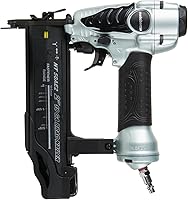
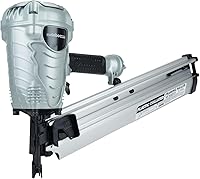
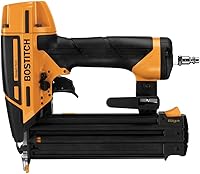
The Bostitch F21PL has two quick-change nosepieces for framing or metal connector applications, plus a push-button depth guide. Its adjustable rafter hook can hang the tool on rafters and joists.
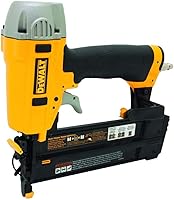
The DeWalt DWFP12231 is a pneumatic 18 gauge brad nailer with tool-free depth adjustment and a jam-release mechanism. It drives 18 gauge nails from 5/8 in to 2 in.
The DeWalt DCN680B is a battery-powered 18 gauge brad nailer with tool-free depth adjustment, jam release, and selectable sequential or contact actuation. Its low-nail lockout helps prevent dry firing and unwanted marks on the material.
Pick a nailer based on the material and fasteners your project requires. Our guide to loading a brad nailer explains how to prepare that type of tool before use.
When should you stop using a nail gun?
Stop if the tool behaves unexpectedly, has damaged parts, or won't clear according to its manual. Disconnect it and contact the manufacturer or a qualified repair service for guidance.
Don't try to bypass a safety feature or keep working with a trigger that sticks. Keep the tool disconnected until it is repaired and works as its instructions describe.
Which nail gun safety tips matter most for home projects?
For home projects, wear eye protection, keep the nailer pointed away from people, use the specified fasteners, and disconnect power before maintenance. Keep hands clear of the nose and make sure the workpiece is stable.
Choose the tool for the task, then follow its manual for loading, trigger use, jams, and storage. If you're unsure how a control works, stop and check before firing.
Frequently asked questions
What is the most important nail gun safety rule?
Keep the tool pointed away from yourself and anyone nearby, and keep your finger off the trigger until the nose is placed on the work as the manual directs. Wear eye protection, use the correct fasteners, and disconnect the air hose or battery before clearing a jam or adjusting the tool.
Should you disconnect a nail gun before clearing a jam?
Yes. Remove the battery or disconnect the air supply before opening the nose or clearing a jam, then follow the exact manual steps.
Keep your hands away from the nose and driver path, and don't use the tool if a fastener or part remains stuck.
Can a nail gun fire if it is not touching wood?
Some nail guns can fire through contact with a surface, while others require a trigger sequence; behavior depends on the tool and its trigger mode. Never test this by pointing or firing into open space.
Follow the manual's instructions for the specific model and mode.
What safety gear should I wear with a nail gun?
Wear safety glasses or goggles that protect against flying debris, and use hearing protection when the tool or work area is loud. Choose footwear and other protective gear for the task, secure loose clothing and hair, and keep bystanders clear of the work zone.