What Gauge Nailer for Trim Should You Use?
For most trim, use an 18 gauge brad nailer for light molding or a 16 gauge finish nailer for thicker trim and baseboards. Choose a 15 gauge nailer for larger trim, and a 23 gauge pin nailer for delicate pieces that need small holes.
On this page (8 sections)
- What gauge nailer for trim should you use?
- When is an 18 gauge brad nailer right for trim?
- When should you choose a 16 gauge finish nailer?
- Does larger trim need a 15 gauge nailer?
- When does a 23 gauge pin nailer make sense?
- How do you match the nail length to trim?
- What else should you check before nailing trim?
- Which nailer gauge should you pick for trim?
For most trim, use an 18 gauge brad nailer for light molding or a 16 gauge finish nailer for thicker trim and baseboards. Choose a 15 gauge nailer for larger trim, and a 23 gauge pin nailer for delicate pieces that need small holes.
The right gauge depends on the trim’s size, the material behind it, and how much holding power the job needs. A thinner nail leaves a smaller hole, but may not suit heavier pieces.
What gauge nailer for trim should you use?
Use 18 gauge for light trim, 16 gauge for heavier trim, and 23 gauge for delicate details. A 15 gauge finish nailer can suit larger molding where a stronger fastener is useful.
Gauge numbers work in reverse: a lower number means a thicker nail. That’s why 16 gauge nails are thicker than 18 gauge brads, while 23 gauge pins are much thinner.
The nailer’s accepted nail length matters too. Match the length to the trim and backing, and follow the trim or project instructions when available.
The Metabo HPT NT50AE2 accepts 18 gauge brads from 5/8 in to 2 in and has tool-free depth adjustment. Its no-mar tip is designed to protect the workpiece from accidental marks.
For more options, see our guide to the best brad nailers for trim and small projects.
When is an 18 gauge brad nailer right for trim?
An 18 gauge brad nailer fits light molding, small trim, and other finish work where a slim fastener helps keep holes small. It is a practical starting point for many indoor trim tasks.
Brad nails are thicker than pins but thinner than finish nails. They can hold modest trim while leaving smaller holes to fill than a larger nail would.
The Metabo HPT NT50AE2 accepts brads up to 2 in and has a depth-of-drive dial. It’s pneumatic, so you’ll need a compatible compressor and hose.
If your project is mainly molding or trim, compare other options in our trim nailer guide. For general uses and types, read what a brad nailer is used for around the house.
Is 18 gauge enough for baseboards?
An 18 gauge nailer can work for light baseboards when the trim and backing support it. For thick or heavy baseboards, a 16 gauge finish nailer is often a better match.
Baseboard size, wall construction, and nail length all affect the result. Our guide to what size nails to use for baseboard trim covers length and fit.
When should you choose a 16 gauge finish nailer?
Choose a 16 gauge finish nailer for thicker trim, baseboards, chair rail, and molding that calls for a sturdier fastener. Its nails leave larger holes than 18 gauge brads, so plan to fill them before painting.
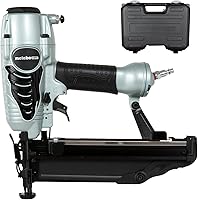
The Metabo HPT NT65M2S accepts 16 gauge finish nails from 1 in to 2-1/2 in. It has tool-free depth adjustment, a no-mar tip, and an adjustable exhaust port.
This pneumatic model weighs 3.7 lb and includes an air duster button for clearing dust from the work surface. It needs a compatible compressor and hose.
See how to use a finish nailer for baseboards and trim for basic setup and placement guidance. You can also compare the tradeoffs in 16 gauge vs 18 gauge nailers.
Does larger trim need a 15 gauge nailer?
A 15 gauge finish nailer can suit larger molding and trim when the project calls for a thicker nail. It leaves a larger hole than 16 or 18 gauge tools, so consider the trim size and the finish you want.
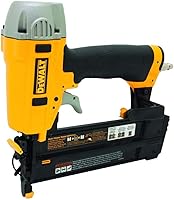
The DeWalt DCN650B is a cordless 15 gauge angled finish nailer. It drives angled finish nails from 1-1/4 in to 2-1/2 in and runs on a compatible DeWalt 20V MAX battery.
Its tool-free depth adjustment and jam release help with setup and clearing jams. The tool is sold without a battery in the product name, so check what you need for your DeWalt setup.
A 15 gauge tool may be more nailer than a small molding job needs. Compare it with other choices in our guide to the best nail guns for trim and molding.
When does a 23 gauge pin nailer make sense?
Use a 23 gauge pin nailer for delicate trim and small molding where you want near-invisible holes. Its headless pins leave less visible marks, but they offer less holding power than larger brads or finish nails.
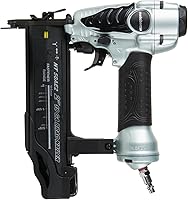
The Metabo HPT NP35A accepts 23 gauge headless pins in lengths from 5/8 in to 1-3/8 in. It has depth adjustment, a dual trigger, and a no-mar tip.
A pin nailer can hold a small piece while adhesive sets, if the project instructions call for adhesive. Don’t rely on pins alone for trim that needs a stronger mechanical fastener.
How do you match the nail length to trim?
Choose a nail that passes through the trim and reaches the backing securely, while staying within the nailer’s accepted length range. The right length depends on trim thickness and what lies behind the wall surface.
Measure the trim where you plan to fasten it. Check the project instructions and avoid guessing near plumbing, wiring, or other hidden obstacles.
A nail that’s too short may not hold well. One that’s too long can pass through the backing or damage something behind it.
What else should you check before nailing trim?
Check the nailer’s power source, nail range, depth control, and the trim’s fastening instructions. A pneumatic tool needs a compatible compressor and hose, while the DeWalt DCN650B is cordless and uses a compatible DeWalt 20V MAX battery.
Set the depth on a scrap piece of the same material before fastening visible trim. The nail should sit as intended without splitting the wood or leaving a proud head.
Wear eye protection and keep your hands clear of the nose. Review nail gun safety tips for home projects before using a nailer.
Which nailer gauge should you pick for trim?
Pick 18 gauge for light trim, 16 gauge for thicker baseboards and molding, 15 gauge for larger pieces, and 23 gauge for delicate details. Match nail length to both the trim and the backing.
Choose the Metabo HPT NT50AE2 for light trim with 18 gauge brads, or the NT65M2S for 16 gauge finish nails. Consider the DeWalt DCN650B for cordless 15 gauge work, and the NP35A when small pin holes matter most.
For a closer look at buying options, see the best nail guns for trim and molding.
Frequently asked questions
What gauge nailer is best for trim?
An 18 gauge brad nailer suits light molding and small trim, while a 16 gauge finish nailer is a common choice for thicker trim and baseboards. A 15 gauge nailer can suit larger molding, and a 23 gauge pin nailer is useful for delicate pieces that need nearly invisible holes.
Is a 16 or 18 gauge nailer better for baseboards?
A 16 gauge finish nailer is often the better fit for thicker or heavier baseboards because its nails are larger than 18 gauge brads. An 18 gauge nailer can work for lighter trim when the material and backing allow it; check your trim maker's fastening guidance.
Can I use a 23 gauge pin nailer for trim?
Yes, a 23 gauge pin nailer can help hold small molding, paneling, and other delicate trim in place. Its headless pins leave near-invisible holes, but their small size makes them a poor default for trim that needs stronger holding power.
What length nails should I use for trim?
Choose a nail long enough to pass through the trim and get a firm hold in the backing, while avoiding pipes, wires, or the far side of the material. Check the nailer’s accepted length range and the trim and wall instructions before loading fasteners.