16 Gauge vs 18 Gauge Nailer: Which Fits Your Trim? (November 2026)
Choose a 16 gauge nailer for firmer hold in larger trim, and an 18 gauge nailer for smaller trim where a less visible hole matters. Match the nail length to the material and follow the tool manual.
On this page (7 sections)
Choose a 16 gauge nailer for larger trim that needs a firmer hold, and an 18 gauge nailer for smaller trim where a less visible hole matters. The 16 gauge vs 18 gauge nailer choice depends on trim size, material and how much nail-hole filling you can accept.
A 16-gauge finish nail is thicker than an 18-gauge brad. That extra thickness can help secure heavier molding, while a brad's smaller hole can suit delicate trim and furniture work.
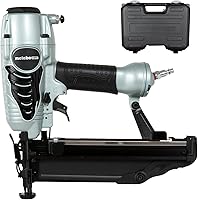
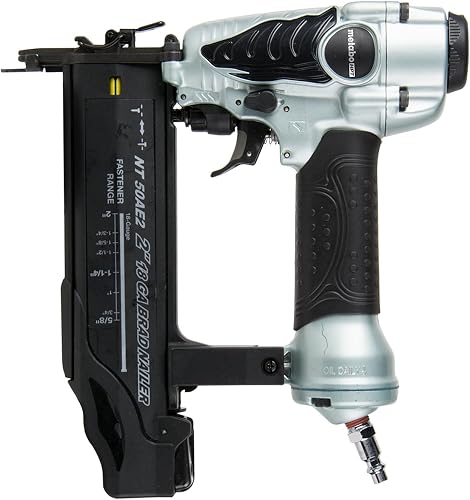
The Metabo HPT NT65M2S is a pneumatic 16-gauge finish nailer, and the NT50AE2 is a pneumatic 18-gauge brad nailer. The Craftsman V20 CMCN616B offers a cordless 16-gauge option.

16 gauge vs 18 gauge nailer: which fits your trim?
Use 16 gauge for larger trim and 18 gauge for lighter, more delicate work. The thicker 16-gauge fastener is the stronger choice when trim size and the surface behind it call for more holding power.
Gauge numbers can feel backwards: a lower number means a thicker nail. A 16-gauge nail is wider than an 18-gauge brad, so expect a more noticeable hole after driving it.
That doesn't make one gauge right for every project. The trim's thickness, the material you're fastening into and the nail length all affect the result.
For more context on how finish nailers differ from heavier tools, see our guide to finish nailers vs framing nailers. Framing nailers are built for larger construction fasteners, not ordinary finish trim.
What does nail gauge change?
Gauge changes nail thickness and the size of the hole left behind. It doesn't tell you the full nail length or whether a specific nail will fit your tool.
A 16-gauge finish nail has a thicker shank that can help hold substantial molding and chair rail. An 18-gauge brad is slimmer, making it useful when a smaller hole matters more than maximum hold.
Both nail types still need suitable length for the material. Follow the tool manual and choose a fastener that reaches into the backing without passing through it.
Will 16 gauge split trim?
Either gauge can split trim if the nail is too large, the placement is poor or the material is fragile. Take extra care near ends and narrow edges.
A thinner 18-gauge brad can reduce the chance of splitting delicate pieces, but it doesn't eliminate it. Test the setting and placement on scrap from the same material when possible.
For a 16-gauge nail, keep the tool square to the work and use a length suited to the trim and backing. If the trim is narrow or brittle, reconsider whether a smaller fastener or a different attachment method fits the job.
Which nailer leaves a cleaner finish?
An 18-gauge brad usually leaves a smaller hole, while a 16-gauge finish nail may need more filling. Paint, wood grain and trim color affect how visible either hole will be.
On paint-grade trim, fill the hole and sand it smooth before painting. On stained wood, even a small filled spot can show, so place nails where the finish can hide them or where the grain makes the mark less obvious.
Depth adjustment helps keep the nail head from sitting proud or driving too far below the surface. Both Metabo HPT nailers here offer tool-free depth adjustment, but use the manual and a scrap piece to dial it in.
Our guide to what gauge nailer to use for trim walks through common trim choices. For baseboard fastener length, see what size nails work for baseboard trim.
Which 16-gauge nailer fits your setup?
Choose the Metabo HPT NT65M2S if you want a pneumatic finish nailer, or the Craftsman V20 if cordless use matters more. Both use 16-gauge finish nails, but their power setups differ.
The NT65M2S accepts 1 to 2.5 in finish nails and weighs 3.7 lb. Its selective actuation switch lets you choose bump fire or sequential fire, and the 360-degree exhaust port can be directed away from you.
Choose it if you already have a compatible air source and want a tool-free depth adjustment. Its included no-mar tip helps protect the workpiece from unintended marks.
The Craftsman V20 CMCN616B is for buyers who want 16-gauge finish nails without an air hose. Its battery and charger are sold separately, so factor in the rest of the V20 setup before choosing it.
It has tool-free jam and stall settings and a belt hook. The product information gives no nail-length range, so check the tool manual for the compatible fasteners before starting a trim job.
When is an 18-gauge brad nailer the better pick?
Choose an 18-gauge brad nailer for lighter trim and furniture work where a small entry hole is useful. It can suit delicate pieces that don't need the thicker fastener of a finish nailer.
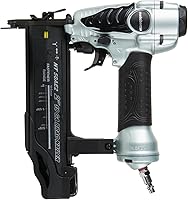
The Metabo HPT NT50AE2 accepts 5/8 to 2 in brads and weighs 2.2 lb. Its selective actuation switch offers bump or sequential fire, while the depth dial helps set the drive for the material.
This is a pneumatic nailer, so it needs a compatible air source. Its easy-to-clear nose can help when a nail jams, and the no-mar tip helps protect the work surface.
A brad nailer may also work for small trim details and narrow pieces where a larger nail could be too visible. For a broader look at the tool category, read what a brad nailer is used for around the house.
How long should the nails be?
Choose nail length based on the trim thickness and the material behind it, then stay within the nailer's range. A longer nail isn't automatically better if it risks passing through the backing.
The Metabo HPT 16-gauge model accepts 1 to 2.5 in finish nails. The 18-gauge model accepts 5/8 to 2 in brads, giving it options for smaller trim and detail pieces.
The Craftsman tool's nail-length range isn't specified here, so confirm compatible fasteners in its manual. Don't assume nails from one model will fit another just because the gauge matches.
For a baseboard job, measure the trim and consider what lies behind it before choosing a fastener. The baseboard nail size guide covers that decision in more detail.
Do these nailers use the same air setup?
The two Metabo HPT models are pneumatic, while the Craftsman V20 model is cordless. A pneumatic tool needs a compatible compressor, hose and fitting; the cordless Craftsman avoids those items.
The NT65M2S includes a 1/4 in NPT male plug. Confirm that your hose and compressor connection match the tool requirements, and use the operating pressure specified in its manual.
The NT50AE2 also needs an air setup. The Craftsman CMCN616B does not need a compressor, hose or gas cartridge, but the battery and charger are sold separately.
If you're choosing tools for a small home project, our guide to types of nail guns explains where finish nailers and brad nailers fit. You can also review nail gun safety tips before loading either tool.
What should you choose for your project?
Pick 16 gauge for larger trim and a firmer hold; pick 18 gauge for lighter trim and smaller holes. Then choose pneumatic or cordless power based on the setup you have.
The Metabo HPT NT65M2S suits molding, chair rail and cabinetry when a pneumatic 16-gauge tool fits your workspace. The Craftsman V20 is another 16-gauge choice if you prefer cordless use and have, or plan to buy, its battery and charger.
The Metabo HPT NT50AE2 suits trim and furniture work where an 18-gauge brad is a better match. If you're unsure, compare your trim dimensions with the tool's fastener range and test on scrap before fastening finished pieces.
Frequently asked questions
Is a 16 gauge or 18 gauge nailer better for trim?
A 16-gauge nailer suits larger or heavier trim when you want a thicker fastener, while an 18-gauge brad nailer suits smaller trim where a narrower hole is helpful. The right choice also depends on the trim material, the surface behind it and the nail length the tool accepts.
Can an 18 gauge nailer install baseboards?
An 18-gauge nailer can work for some smaller or light baseboards, but a 16-gauge finish nailer is often a better fit for thicker trim that needs a firmer hold. Check the trim thickness, wall material and fastener length, and test on scrap if you are unsure.
Are 16 gauge and 18 gauge nails interchangeable?
No, a nailer is built for a specific fastener gauge and collation, so use only the nail type listed in its manual. A 16-gauge finish nailer and an 18-gauge brad nailer take different fasteners, even when their usable nail lengths overlap.
Does a 16 gauge nail leave a bigger hole?
Yes, a 16-gauge nail is thicker than an 18-gauge brad, so it generally leaves a larger entry hole that may need filling before painting. An 18-gauge nail can leave a less visible mark, but its smaller size may be less suited to larger trim.
Do these nailers need an air compressor?
The Metabo HPT 16-gauge and 18-gauge nailers here are pneumatic, so they need a compatible air setup. The Craftsman V20 16-gauge finish nailer is cordless and does not need a compressor or hose, but its battery and charger are sold separately.